How to Read a Vitamin and Supplement Label
- 08 Dec, 2025
Standing in front of a shelf of vitamins, or scrolling through pages of supplements online, it is easy to feel overwhelmed. Two products can look almost identical on the front of the pack and still be very different inside. The label on the back is where the useful information is, and once you know how to read it, comparing products becomes much easier.
This guide explains the main parts of a typical supplement label in the UK and EU, so you can make a more informed choice. It is general information only and not a substitute for advice from your doctor or pharmacist.
The Nutrition Table and %NRV
Most vitamin and mineral supplements include a table listing each nutrient, the amount per serving and a percentage of the NRV. NRV stands for Nutrient Reference Value, a reference amount used on labels to show how much of a nutrient the product provides compared with a general daily guideline for adults.
- Amount per serving: always check what one serving is. It might be one capsule, two tablets or a set number of drops.
- %NRV: a quick way to compare products, but it is a general reference, not a personal recommendation.
- Units: nutrients may be listed in milligrams (mg), micrograms (µg or mcg) or international units (IU). Make sure you compare like with like.
Higher is not automatically better. Some nutrients can build up in the body, so take care when combining several products. Our guide to combining vitamins and supplements safely explains why.
Ingredients and Forms
The ingredients list shows everything in the product, usually in order of weight. Here you will find the form of each nutrient, for example whether magnesium is present as citrate or oxide, or which form of vitamin B12 is used. Different forms can vary in how they are used by the body and how they are tolerated, which is one reason why similar-looking products differ in price.
You will also see other ingredients such as the capsule shell, fillers, anti-caking agents, flavourings or sweeteners. These are normal in many products, but worth checking if you prefer to avoid certain additives.
Allergens and Dietary Suitability
Allergens are usually highlighted in bold in the ingredients list. Look out for symbols or statements about suitability for vegetarians or vegans, as some capsules are made from gelatine and some vitamin D3 comes from lanolin, which is derived from sheep’s wool. If you follow a particular diet, check for terms such as gluten free, dairy free or vegan, and look for certification marks where they matter to you.
Directions, Warnings and Storage
The directions tell you how much to take and often whether to take it with food. Follow them, and do not exceed the stated dose. You will also often see statements such as reminders that food supplements should not replace a varied, balanced diet, and to keep the product out of the reach of children.
Pay special attention to warnings. Some products are not suitable during pregnancy, while breastfeeding, for children or alongside certain medicines. If you take prescription medication, have a health condition or are pregnant, speak to your doctor or pharmacist before starting a new supplement.
Putting It Together
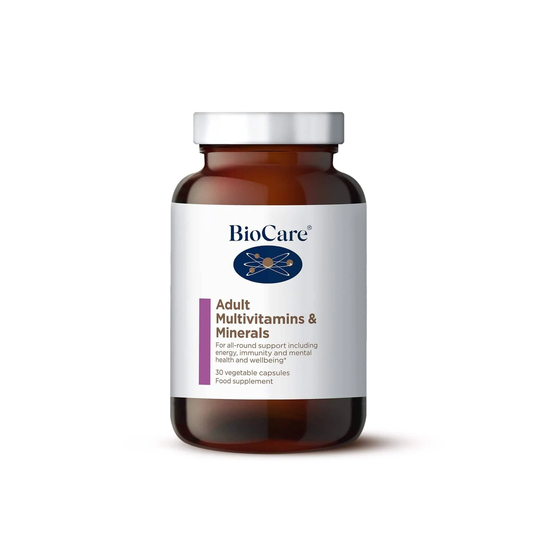
When comparing two products, such as a broad adult multivitamin and mineral capsule and a cheaper alternative, check the serving size, the amounts and forms of the nutrients, the other ingredients and any warnings. Then consider the cost per serving rather than the price per pack. You can browse and compare a wide range of products in our multivitamins section.