Capsules, Tablets, Drops or Gummies: Choosing a Supplement Format
- 23 Apr, 2026
Vitamins and supplements come in more formats than ever: tablets, capsules, softgels, liquid drops, sprays, powders and chewable gummies. The same nutrient is often available in several of them. Choosing the right format is not only about personal taste. It can affect how easy a supplement is to take every day, what else it contains and how well it suits your diet.
Here is a simple overview of the most common formats and what to consider with each. As always, this is general information. Your pharmacist or doctor can help if you are unsure what suits you.
Tablets
Tablets are one of the most common formats. They are usually compact, stable and good value, and they can hold a lot of different nutrients in a single serving, which is why many multivitamins come as tablets.
- Good for: people who are comfortable swallowing pills and want a cost-effective option.
- Keep in mind: some tablets are large, and they often contain binders and coatings to hold them together.
Capsules and Softgels
Capsules have an outer shell filled with powder, while softgels hold oils or liquids. Many people find them easier to swallow than tablets, and some contain fewer additional ingredients. Oil-based nutrients, such as omega-3 or vitamin E, are often sold as softgels.
- Good for: those who find tablets hard to swallow or want a simpler ingredient list.
- Keep in mind: shells may be made from gelatine or plant-based materials, so check suitability if you are vegetarian or vegan. You can browse options in our capsules section.
Drops and Liquids
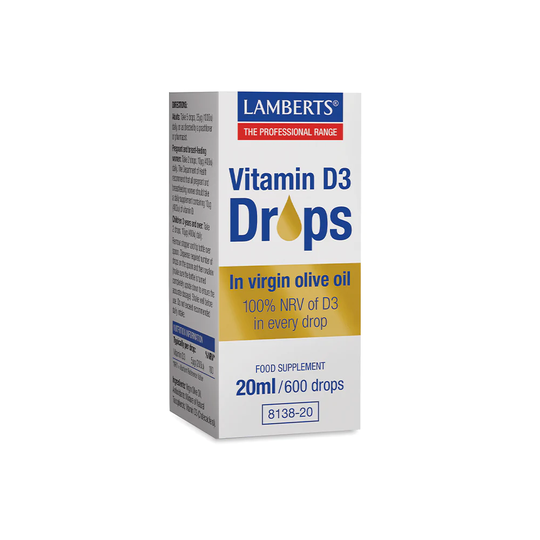
Liquid drops and sprays are a practical choice for people who dislike swallowing pills, and the dose is often small. Vitamin D is a common example, with products like Lamberts Vitamin D3 Drops taken in a few drops rather than a capsule.
- Good for: anyone who prefers not to swallow pills, and for adding to food or a drink where the label allows it.
- Keep in mind: measuring needs a little care, and some liquids must be kept in the fridge after opening. Always follow the directions on the label. Products made for children and babies have their own dosing, so check the label carefully and ask a health visitor, pharmacist or doctor if you are unsure.
Gummies and Chewables
Gummies have become very popular because they are easy and pleasant to take. For people who struggle to remember a daily supplement, that enjoyment can help with consistency.
- Good for: people who dislike pills or want a simple daily habit.
- Keep in mind: many gummies contain sugar or sweeteners and may hold fewer nutrients per serving than a tablet. Because they look and taste like sweets, store them well out of reach of children.
Powders
Powders can be mixed into water, smoothies or yoghurt and are common for protein, greens blends and some minerals. They allow flexible serving sizes but take a little more effort to prepare and are less convenient for travel.
How to Decide
Ask yourself a few practical questions: Which format will I actually take every day? Do I need a vegan or sugar-free option? Is a pill easy for me to swallow? Then compare products by serving size and the amount of each nutrient, rather than by format alone. Whatever you choose, do not exceed the recommended dose, and talk to your doctor or pharmacist first if you take medication, are pregnant or have a health condition. Explore liquid options in our drops category.